January 7, 2026
Ultrasonic cleaning is a technique utilizing high-frequency sound waves to agitate a fluid. This process effectively removes contaminants from solid surfaces. Currently, it is used widely in industries such as healthcare, manufacturing, and jewelry, due to its precision and efficiency. As technology advances, ultrasonic cleaning systems are becoming smarter and more efficient. This article will explore the current state, technological advancements, and potential future of ultrasonic cleaning in depth.
Section 1: Current State of Ultrasonic Cleaning Technology
The Basics of Ultrasonics
Ultrasonics involves the use of high-frequency sound waves, typically above 20 kHz, to create cavitation bubbles in a liquid medium. These bubbles collapse energetically, dislodging contaminants from surfaces. Ultrasonic cleaning units consist of a tank with a transducer that generates the ultrasonic waves and a cleaning solution, often water-based with additives. The frequency and amplitude of these waves determine the cleaning effectiveness for different surfaces and contaminants. Understanding these principles is pivotal in optimizing ultrasonic cleaning for various applications.
Applications in Various Industries
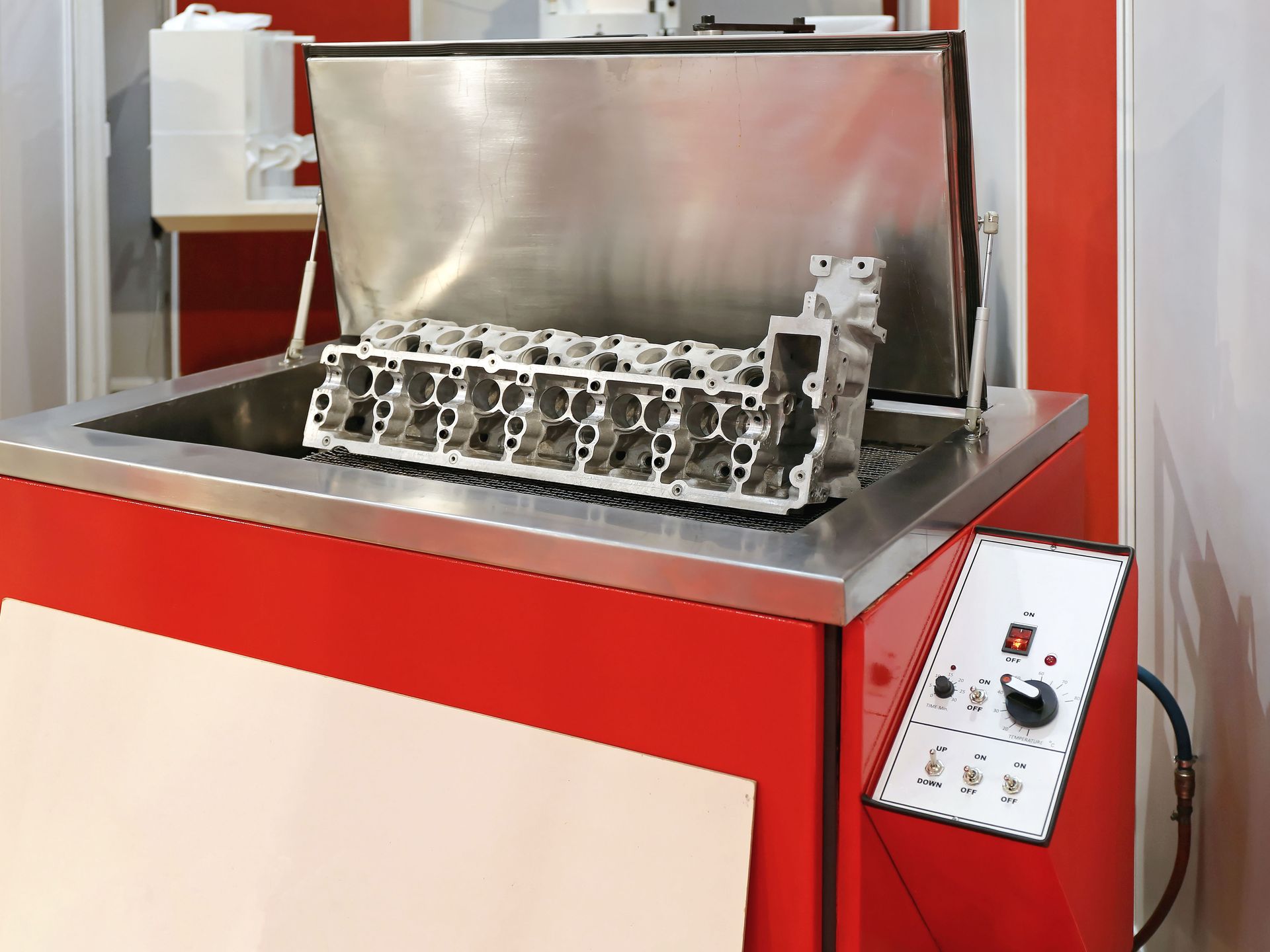
Ultrasonic cleaning finds its applications across diverse industries due to its ability to clean even the most delicate items without abrasion. In healthcare, it is used for sterilizing surgical instruments and dental tools. The electronics sector utilizes it for cleaning circuits and components, ensuring high performance and reliability. In the automotive industry, ultrasonic cleaning is essential for maintaining engine parts. Jewelry cleaning has also capitalized on this technology, providing immaculate shine to intricate designs.
Advantages Over Traditional Cleaning Methods
Ultrasonic cleaning offers several advantages over traditional cleaning methods, including deeper penetration into crevices and blind holes. It provides uniform cleaning results, minimizing human error associated with manual methods. The process is environmentally friendly, often requiring lower chemical concentrations, thereby reducing hazardous waste. Additionally, ultrasonic cleaning is faster and more efficient, leading to cost savings in the long run. These features make it an attractive solution for industries seeking high-quality cleanliness and efficiency.
Limitations and Challenges
Despite its benefits, ultrasonic cleaning is not without limitations. The initial setup can be costly, especially for industries requiring large-scale cleaning operations. There is also a risk of damage to very soft materials due to the energy from the cavitation process. Some contaminants might require pre-treatment or a specialized cleaning solution to be effectively removed. Additionally, maintaining the equipment to ensure consistent performance over time can be challenging. These barriers can affect the technology's adoption across all potential sectors.
Case Studies of Ultrasonic Cleaning Success
Numerous case studies highlight the success of ultrasonic cleaning across different industries. A medical facility improved its instrument turnaround time significantly by switching to ultrasonic cleaning, achieving a higher standard of sterilization. In manufacturing, a precision parts provider noted a drastic reduction in cleaning-related rejections after implementing ultrasonics. An automotive company successfully used the technology to extend the life span of engine components by maintaining cleaner parts. These successes underscore the versatility and reliability of ultrasonic cleaning. As a result, its use continues to expand as more organizations recognize these benefits.
Section 2: Advancements in Ultrasonic Equipment
Miniaturization and Portability
Technological advancements drive the miniaturization and increased portability of ultrasonic cleaning devices. Smaller units now cater to niche markets like watchmaking and lab-scale cleaning. These compact devices are suitable for on-site cleaning, offering convenience and flexibility to users. Portable units are becoming more prevalent in field operations, such as automotive repair and maintenance. This miniaturization enhances the accessibility and practicality of ultrasonic cleaning across diverse settings.
Integration with Smart Technologies
The integration of smart technologies in ultrasonic cleaning systems is setting new standards for efficiency and usability. Smart sensors improve the monitoring of cleaning operations, ensuring optimal performance. These systems can now track and adjust variables such as temperature, frequency, and cleaning time in real-time. Connectivity features allow remote monitoring and controls, further enhancing operability. As industries embrace Smart Manufacturing, ultrasonic cleaning technology is aligning with these growing trends.
Innovations in Transducer Design
Recent innovations in transducer design are enhancing ultrasonic cleaning efficiency. New materials and designs reduce energy consumption while delivering consistent performance. These advancements also extend the durability and lifespan of the cleaning systems, reducing maintenance needs and operational downtime. Emerging designs support higher frequencies for specialized cleaning tasks. This adaptability strengthens the capability of ultrasonic cleaning to meet specific industrial demands.
Energy Efficiency Improvements
Modern ultrasonic cleaning systems are becoming more energy-efficient, a crucial development in an age of environmental consciousness. Energy-efficient transducers are being designed to minimize power consumption while maintaining cleaning effectiveness. Advanced power management systems help optimize the energy usage based on demand variabilities. Additionally, these improvements contribute to lower operational costs over the equipment’s lifespan. The pursuit of energy efficiency aligns with broader industrial goals of sustainability and cost reduction.
Safety Enhancements for Operators
Ensuring operator safety is paramount in the design of contemporary ultrasonic cleaning systems. Improved shielding protects users from exposure to high-frequency sound waves. Ergonomic designs and user-friendly interfaces reduce operator strain and minimize errors during setup and operation. Furthermore, updated safety protocols and systems are integrated to detect and address malfunctions early. These enhancements contribute to a safer working environment, supporting the widespread adoption of ultrasonic cleaning technology.
Section 3: Ultrasonic Cleaning in Healthcare
Sterilization of Medical Instruments
In healthcare settings, ultrasonic cleaning is vital for the sterilization of complex medical instruments. Its ability to access hard-to-reach areas ensures thorough cleaning, which is critical in preventing infections. Ultrasonic cleaning disrupts and removes biological contaminants, providing higher sanitation standards. The technology supports compliance with stringent healthcare regulatory requirements. As medical devices become more intricate, ultrasonic cleaning's role is even more pivotal in maintaining their hygiene.
Cleaning of Implants and Prosthetics
The cleaning of implants and prosthetics is another essential application of ultrasonics in healthcare. Ultrasonic cleaning effectively removes biological residues, ensuring the surfaces are free of potential infection sources. The precision of this process is vital, especially given the high biocompatibility standards required for implants. By maintaining cleanliness without damaging delicate surfaces, ultrasonic cleaning aids in prolonging the usability and safety of medical devices. This reliability underscores its importance in the medical field.
Maintaining Hygiene in Pharmaceutical Production
Ultrasonic cleaning plays a significant role in pharmaceutical production, where cleanliness is paramount. It provides uniform cleaning of equipment such as mixers, containers, and filtration systems. Reduced contamination risks improve product integrity and safety. The effectiveness of ultrasonic cleaning aligns with strict compliance requirements in pharmaceutical manufacturing. Furthermore, it supports the efficient use of production resources, enhancing overall operational productivity.
Potential in Disinfecting Consumables
The potential use of ultrasonic cleaning in disinfecting consumables represents a promising future application. This technology could provide a fast, efficient method for decontaminating packaging materials and other items. According to Grand View Research, the global ultrasonic cleaning market is valued at USD 1,643.4 million in 2024 and is expected to grow to USD 2,472.6 million by 2030. The development of consumables-specific solutions could revolutionize hygiene standards within the food and packaging industry. Such developments would offer significant public health benefits, particularly in response to growing concerns about contamination and hygiene. The implementation of ultrasonic cleaning for consumables is an avenue of expansion representative of the technology’s versatility.
Compliance with Health Regulations
Ultrasonic cleaning helps healthcare facilities comply with health regulations by delivering superior sanitation and sterilization outcomes. The precision of the cleaning process ensures that instruments and devices meet rigorous hygiene standards. By reducing contamination risks, facilities can better adhere to infection control protocols critical in healthcare settings. The technology's effectiveness in achieving these requirements positions ultrasonic cleaning as a key component in quality healthcare delivery. Continuous advancements in ultrasonic technology will likely align with evolving healthcare regulations and standards.
In conclusion, ultrasonic cleaning is poised to transform traditional cleaning processes across multiple industries. Through its technological advancements, the market is on a path of growth and expansion, reflecting positive trends in innovation and sustainability. As the market develops, the integration of new technologies and materials will further enhance its capabilities. Despite several challenges, the potential benefits of ultrasonic cleaning in efficiency, environmental impact, and hygiene are significant. This technology is set to play a central role in shaping the future of industrial and commercial cleaning practices worldwide. Be sure to reach out to EngineTec Inc today for more information on our professional ultrasonic cleaning!