February 25, 2026
Ultrasonic cleaning is a highly effective method for removing dirt, grime, and other contaminants from objects. It leverages high-frequency sound waves to produce cleaning action. With its ability to clean intricate and complex items, it has diverse applications across multiple industries. In this article, we will explore crucial aspects to consider when it comes to ultrasonic cleanings. The topic includes understanding the technology, choosing the right equipment, and practicing safety measures.
Understanding Ultrasonic Cleaning Technology
Principle of Operation
Ultrasonic cleaning operates on the principle of cavitation, where high-frequency sound waves create microscopic bubbles in a cleaning solution. These bubbles collapse with great force, dislodging contaminants from the surface of objects. This non-contact method ensures that fragile and intricate items can be cleaned without damage. The cavitation process is effective in reaching tiny crevices and voids that traditional cleaning methods might miss. Consequently, ultrasonic cleaning provides a superior clean that is both thorough and gentle on materials.
Key Components of an Ultrasonic Cleaner
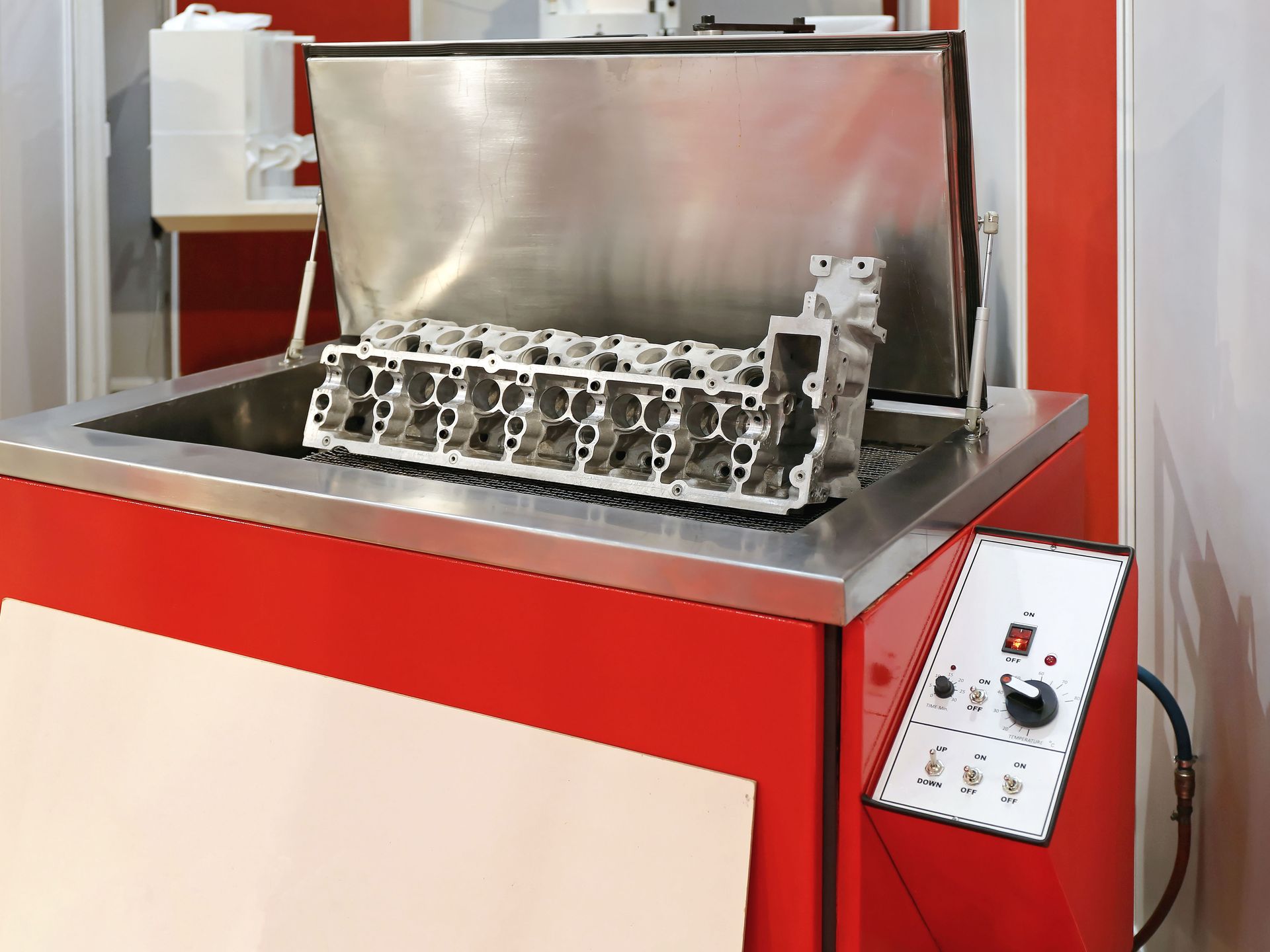
An ultrasonic cleaner typically consists of a metal tank filled with a cleaning solution, ultrasonic transducers, and a generator. The transducers convert electrical energy into mechanical vibrations that produce the ultrasonic waves. The cleaning solution can vary based on the material of the items being cleaned. Temperature control is another critical component that enhances the cleaning process. The generator's role is to supply the necessary power for the transducers, and its quality can significantly affect cleaning performance.
Frequency and Its Importance
The frequency of the ultrasonic waves determines the size of the bubbles created during cavitation. Higher frequencies produce smaller bubbles ideal for cleaning delicate items, while lower frequencies are suitable for more robust cleaning. Selecting the appropriate frequency is crucial, as using the wrong setting could potentially damage items or be ineffective. Most commercial ultrasonic cleaners operate in the range of 20 kHz to 80 kHz, catering to varying cleaning needs. Understanding frequency settings enables users to optimize cleaning results for specific types of materials and contamination levels.
Cavitation Process Explained
Cavitation is the formation and collapse of bubbles in a liquid medium under the influence of ultrasonic energy. As sound waves travel through the fluid, they create areas of high and low pressure. The low-pressure zones lead to tiny bubble formation, which collapse violently during high-pressure phases. This collapse releases energy, creating shock waves that effectively dislodge contaminants from surfaces. The efficiency of the cavitation process depends on factors such as frequency, power, and solution composition.
Common Applications and Uses
Ultrasonic cleaning is employed in various industries due to its versatility and efficacy. The medical sector uses it to sterilize surgical instruments, ensuring patient safety by eliminating pathogens. In the jewelry industry, it restores the sparkle and shine of intricate pieces without causing damage. It is also widely used in the automotive and aerospace industries for cleaning engine parts and precision components. Due to its precision and effectiveness, ultrasonic cleaning is a preferred method in electronics for removing solder flux and other residues from circuit boards.
Choosing the Right Ultrasonic Cleaning Equipment
Factors to Consider Based on Object Type
Choosing the right ultrasonic cleaner depends heavily on the type of objects that need cleaning. Delicate objects like jewelry or electronics require machines with adjustable frequency settings to avoid damage. In contrast, more robust objects like metal parts may benefit from lower frequencies that produce stronger cleaning actions. It's also essential to consider the material compatibility of the cleaning solution to prevent any adverse reactions. Testing with sample items can help in selecting the most appropriate machine and cleaning settings.
Understanding Tank Size and Capacity
Tank size and capacity are critical factors to consider when selecting an ultrasonic cleaner. Larger tanks can accommodate bigger objects or multiple items at once, increasing efficiency. However, larger tanks require more cleaning solution and energy, impacting operational costs. It's important to balance the size and capacity with the volume of items regularly cleaned. Overfilling or improperly loading the tank can lead to suboptimal cleaning results, so appropriately sized equipment ensures both effectiveness and cost-efficiency.
Power and Frequency Settings
Power and frequency settings play a pivotal role in determining the cleaning capability of an ultrasonic cleaner. Higher power settings lead to more vigorous cavitation but could risk damaging delicate items. Similarly, the choice of frequency affects bubble size, impacting both cleaning power and safeness for fragile materials. Machines that offer adjustable settings provide flexibility to tailor the cleaning process for diverse tasks. Users should understand the correlation between power, frequency, and material types to achieve optimal cleaning results without compromising item integrity.
Optional Features and Enhancements
Modern ultrasonic cleaners often come with optional features that can enhance their usability and effectiveness. Timers and heaters allow precise control over the cleaning duration and solution temperature. Degassing and sweep frequency technologies offer advanced control over the cleaning process, improving consistency and speed. Such features can be beneficial for achieving high-efficiency cleaning for specific tasks. While optional features can improve performance, their necessity should be evaluated based on specific cleaning needs and budget constraints.
Maintenance and Durability Considerations
Regular maintenance is essential for ensuring the longevity and effectiveness of ultrasonic cleaners. Periodically cleaning the tank and transducers can prevent buildup that might affect performance. Checking for wear and tear on seals and electrical components helps avert potential failures. Additionally, investing in machines built with durable materials like stainless steel can offer better resistance to corrosion and wear. Proper maintenance not only extends the equipment's life but also enhances safety and efficacy.
Safety Measures and Precautions
Personal Protective Equipment (PPE)
When using ultrasonic cleaners, personal protective equipment (PPE) is essential to safeguard against potential exposure to hazardous chemicals. Gloves protect the skin from harsh cleaning solutions, while goggles provide a barrier against splashes. For those handling large quantities of chemicals, masks can prevent inhalation of harmful vapors. Implementing PPE protocols ensures that users can carry out cleaning procedures without risk to their health. Adherence to safety measures not only protects individuals but also promotes a safe working environment.
Safe Handling of Cleaning Solutions
Handling cleaning solutions requires caution and adherence to safety guidelines. Users should familiarize themselves with the material safety data sheets (MSDS) for information on hazards and recommended safety measures. Storing solutions in clearly labeled, tightly sealed containers helps prevent accidental spills and exposure. It's crucial to avoid mixing incompatible chemicals, as reactions could produce harmful vapors or damage the cleaning equipment. Proper ventilation in cleaning areas helps dissipate potentially hazardous fumes, enhancing user safety.
Electrical Safety Protocols
Ultrasonic cleaners require electrical power, making adherence to electrical safety protocols paramount. Regular inspection of power cords and connections minimizes risks of electrical faults and accidents. Grounding the equipment prevents electrical overloads or short circuits, ensuring user safety. Following manufacturer guidelines for safe operation and troubleshooting electrical issues is essential. Proper training on electrical safety enhances confidence and competence in using ultrasonic cleaners effectively.
Ultrasonic cleaning stands out as a versatile cleaning method that finds utility across numerous sectors due to its efficiency and effectiveness. By understanding its technologies, making informed equipment choices, observing safety measures, employing effective techniques, and recognizing its advantages and limitations, users can maximize benefits while minimizing potential issues. As advancements continue, the future of ultrasonic cleaning promises even greater efficiencies and applications. According to Grand View Research, North America accounted for the highest revenue share of the ultrasonic cleaning market in 2024. The ongoing advancements indicate a promising future where ultrasonic cleaning technology will continue impacting multiple industries positively. Carefully calibrated use of ultrasonic cleaning ensures cleanliness, safety, and sustainability. Be sure to reach out to EngineTec Inc today for more information on our professional ultrasonic cleanings!